Provider Insights: How care teams use Guava’s Provider Dashboard, with insights from Dr. Radley Griffin, MD of Griffin Concierge Medical.
Concierge medicine runs on a simple premise: you should know your patients better than any other physician.
Delivering on that promise requires a complete, real-time view of each patient across data sources, devices, and the gaps between visits. Most existing tools weren't built for this. Medical records, wearable data, and lifestyle metrics are scattered across platforms, and the patient experience is routinely deprioritized in systems designed for high-volume, insurance-based practice.
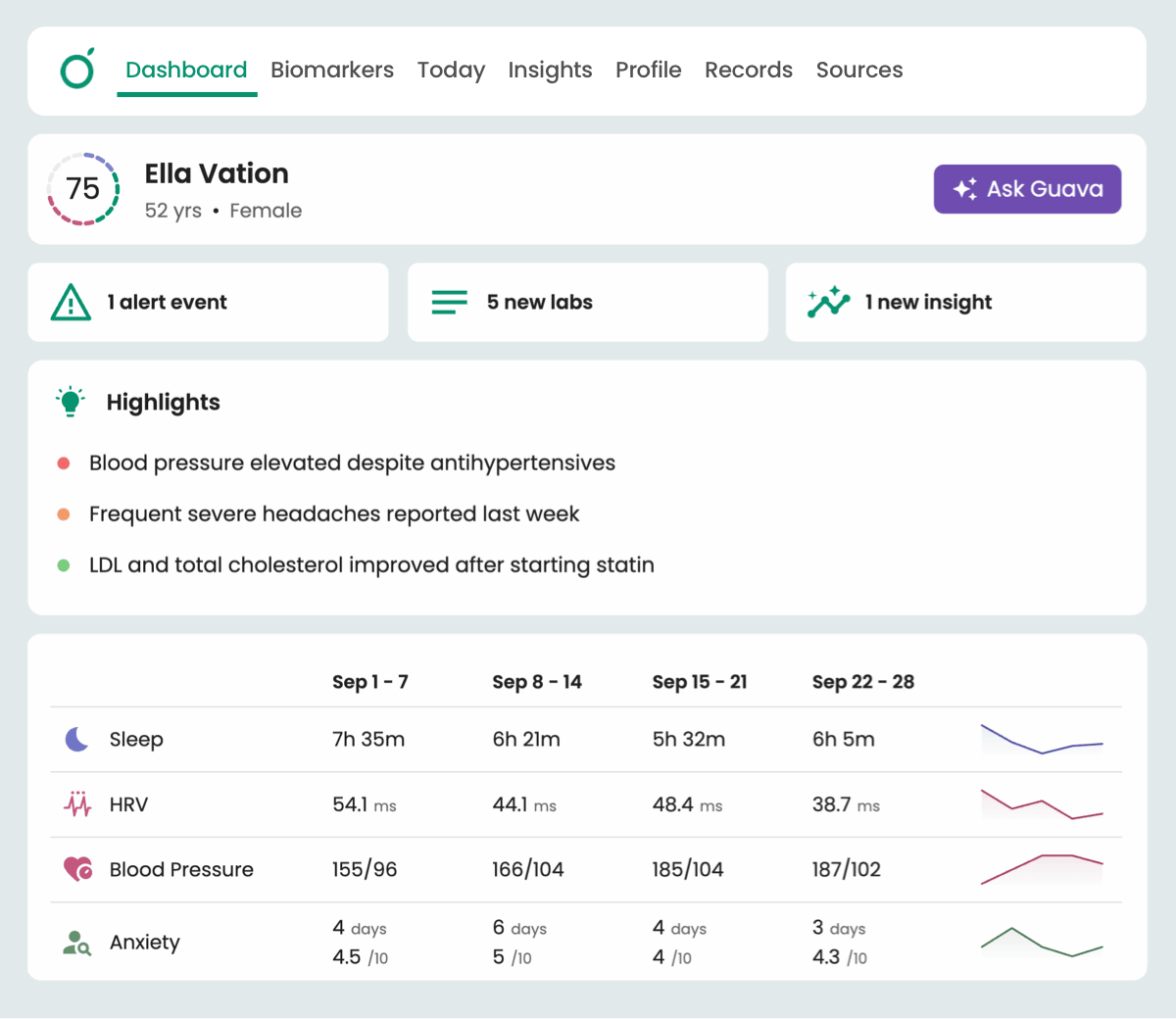
Guava’s Provider Dashboard gives concierge physicians a device-agnostic ecosystem for patient health, combining medical history, remote monitoring data, AI-powered insights, and wearable integrations in a single unified view. The platform is designed for proactive, longitudinal care planning and supports real-time collaboration between providers and patients outside of scheduled visits.
For concierge physicians focused on longevity and prevention, that kind of continuous visibility can translate directly into earlier intervention and stronger patient outcomes.
“Guava is providing opportunities for insight and touch points between visits, and our patients are seeing the benefit as well. Just last week, with the assist from Guava, we were able to detect A-flutter in a patient, resulting in timely treatment and referral.” — Dr. Radley Griffin, Griffin Concierge Medical
Retention & Engagement: The "Sticky" Factor
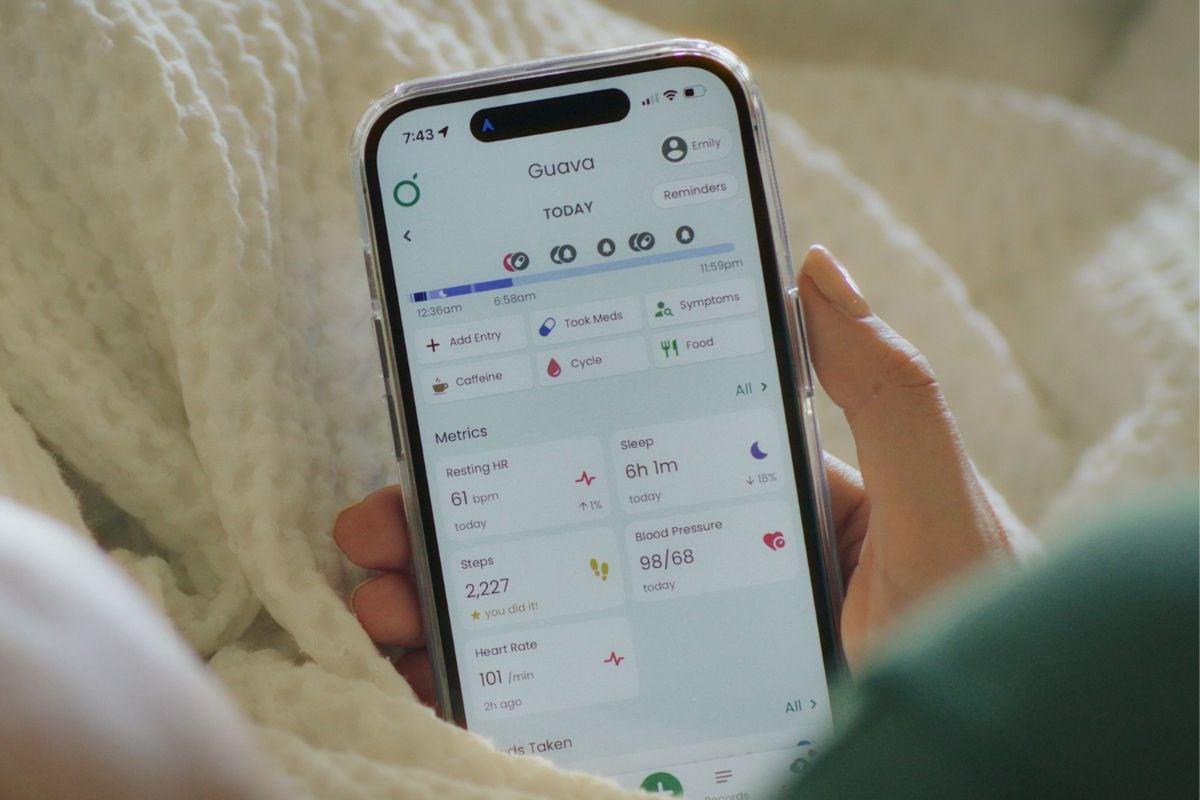
For concierge and direct primary care models, the ROI isn't just in the data; it's in the relationship. In a high-touch model, the technology you offer is a direct extension of your brand. Unlike traditional medical portals that feel clunky and transactional, Guava offers a polished, consumer-grade app that patients actually enjoy using to track their own health journeys.
Guava was initially created for patients, especially those managing complex or chronic conditions, to make health tracking simple, intuitive, and empowering. It’s already well-loved by its community, earning 4.9 stars on the App Store and 4.8 stars on Google Play for its thoughtful design and ease of use.
This premium user experience turns the 'passive patient' into an active partner. By giving your patients a powerful tool to visualize their own progress—from nutrition to advanced biomarkers—you create a 'sticky' digital experience that keeps them engaged between visits. This tangible value reinforces the benefits of their membership, justifying premium retainers and significantly reducing churn.
Records: Centralize and Share Patient Information
A crucial aspect of delivering high-quality care is access to up-to-date medical information. Guava provides a simple way for patients to consolidate their complete medical history into one place. You can directly integrate with EHRs like Elation, and patients can connect with external portals and upload various types of medical files, including:
- PDFs (e.g., labs, visit summaries, and notes)
- Photos, document scans, and videos
- DICOM imaging (e.g., X-rays, MRIs)
- CCDA documents (XML files)
Guava’s AI record parser automatically extracts and summarizes medical information, putting it into an easily searchable format for both you and your patients.

You and your patient’s care team can also upload medical records directly to your patient’s profile, giving them easy access alongside their synced health data.
Guava empowers patients with streamlined access to their health records. The Provider Dashboard makes it easy for them to share that information with their full care team, leading to more coordinated, collaborative care.
Real-Time Key Metrics Between Visits
The Key Metrics view brings together data from wearables, manual logs, and connected devices into a single, continuous view. Instead of reviewing isolated data points, you can see how metrics like heart rate, blood pressure, activity, and symptoms change in relation to one another over time.

This kind of visibility is most useful when it directly informs care decisions. In situations where patients are actively managing risk factors, being able to interpret multiple data streams together can make the difference between reactive and proactive care.
Dr. Griffin shared an example from his practice:
When a high-risk patient was going through a stressful few weeks, his heart rate and blood pressure needed to be tightly controlled using a combination of medication, diet, and exercise. During weekly care team meetings, they used the Provider Dashboard to review the key metrics across different data sources.
Using Guava, the team looked at wearable data from the patient’s Withings blood pressure cuff alongside other lifestyle factors to understand how cardiac measurements changed in response to stress, medications, and activity.
This allowed Dr. Griffin to see clear patterns related to the patient’s daily lifestyle, leading the team to increase the patient’s blood pressure medication dosage.
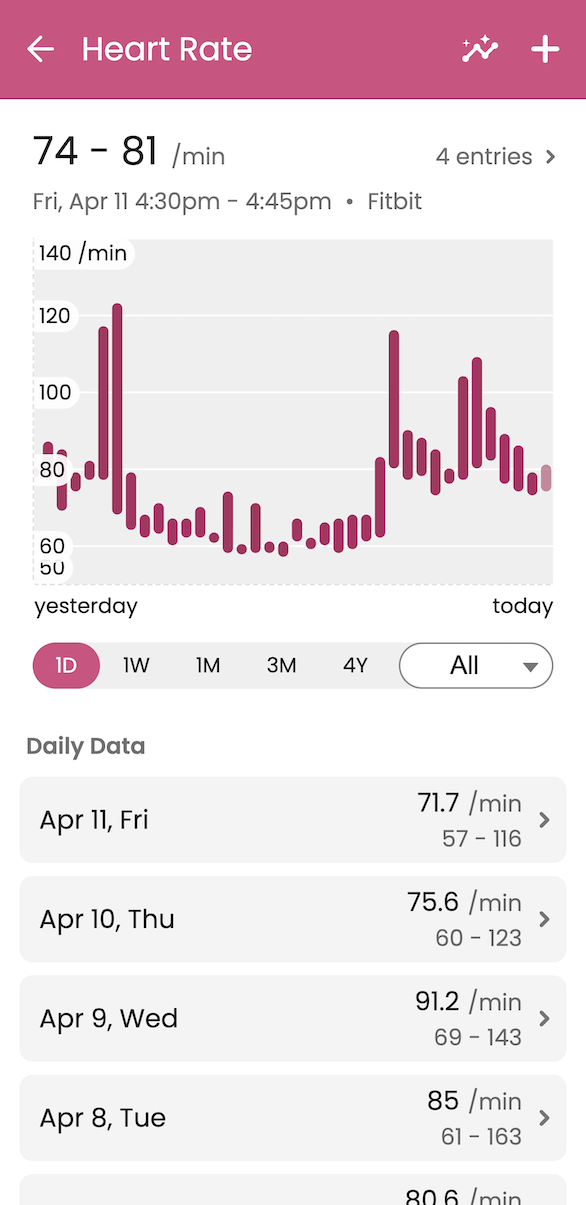

By integrating wearable data across multiple devices, patients can choose tools that work for them without disrupting the clinical picture. For providers, this means consistent access to the data needed to identify trends and make timely decisions, regardless of which device a patient is using.

Guava integrates with most popular health monitoring devices, including Withings, Dexcom, Oura, Fitbit, Apple Health, Health Connect, Garmin, and more, to enable simple and cohesive remote patient monitoring.
Combatting Alert Fatigue
Research shows that 81% of healthcare providers experience alert fatigue, leading to missed critical signals. A concierge RPM dashboard must do more than display data; it must filter it. Guava allows you to set personalized biometric thresholds—alerting you only when a patient's glucose trends or blood pressure deviation requires clinical intervention, not just when they finish a workout.
Check-Ins, Messaging, & Daily Tracking
Research shows that active patient participation in care is associated with better health outcomes. Guava is built on that premise, giving concierge physicians the tools to facilitate engagement and track outcomes continuously, not just at the point of visit.
The Provider Dashboard takes advantage of Guava’s pre-existing patient-facing app. Complete with messaging and robust health-tracking capabilities, from symptom heat maps to AI-powered nutrition logging, Guava was made for high patient engagement.
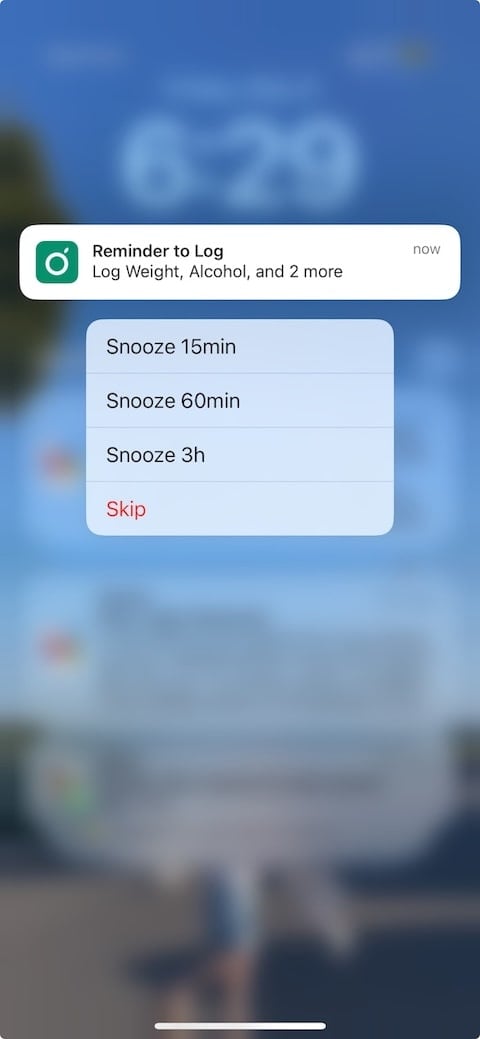
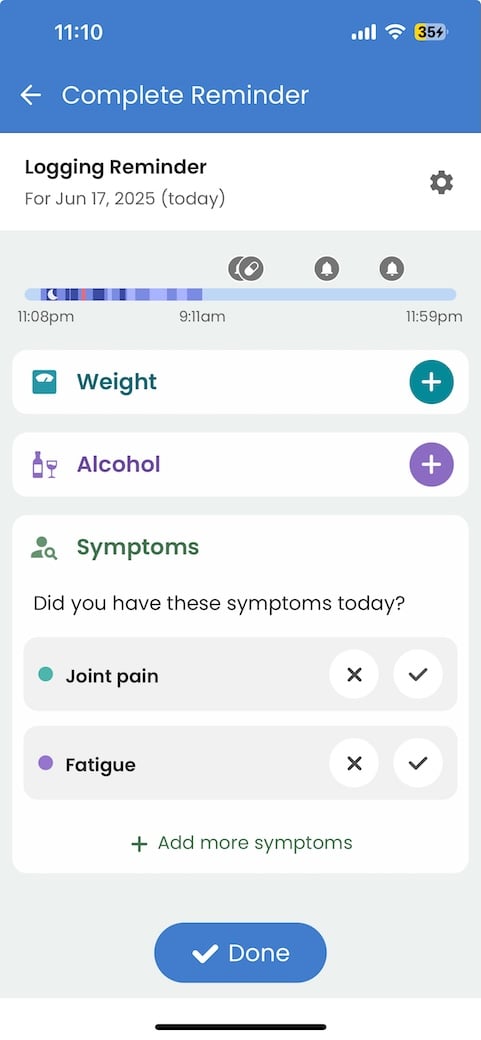
As a provider, you can set customizable check-ins tailored to your patients’ specific needs. You can customize their daily reminders for logging medication, weight, mood, energy levels, or a combination of factors that matter for your patients.
Anything your patient logs manually will appear in the Key Metrics section alongside their wearable data. Guava provides an intuitive interface to log things like:
- Symptoms and severity
- Medications
- Nutrition
- Weight
- Physical therapy
- Mental Health
- Energy
- Custom factors
Messaging in Guava allows you to follow up on what patients are logging in real time, without waiting for the next visit. By keeping conversations tied to actual data, it becomes easier to clarify symptoms, adjust plans, and stay aligned between appointments.
Longitudinal Biomarkers and Lab Data
For concierge and longevity-focused care, lab data isn’t just reviewed at a single point in time; it’s tracked, interpreted, and acted on over months or years. The challenge is that results are often fragmented across different labs, EHRs, and patient-uploaded records, making it difficult to see the full picture or identify meaningful trends.
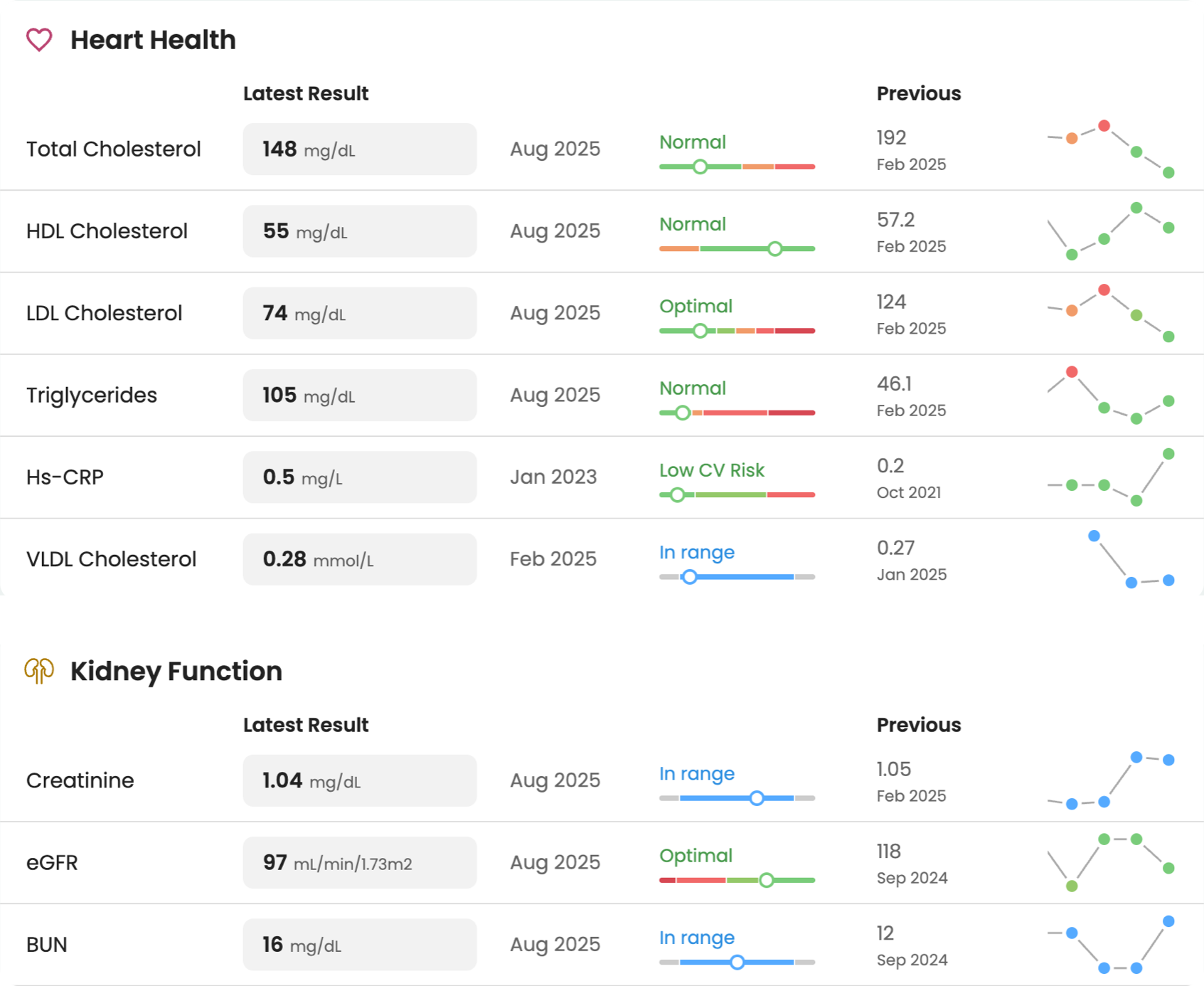
You and your patients can upload or sync labs from any source directly into Guava. This makes it easy to view and understand biomarker trends over time, even when results come from different clinics or EHRs. Many common biomarkers also include clear, patient-friendly descriptions, giving patients a higher-quality experience.


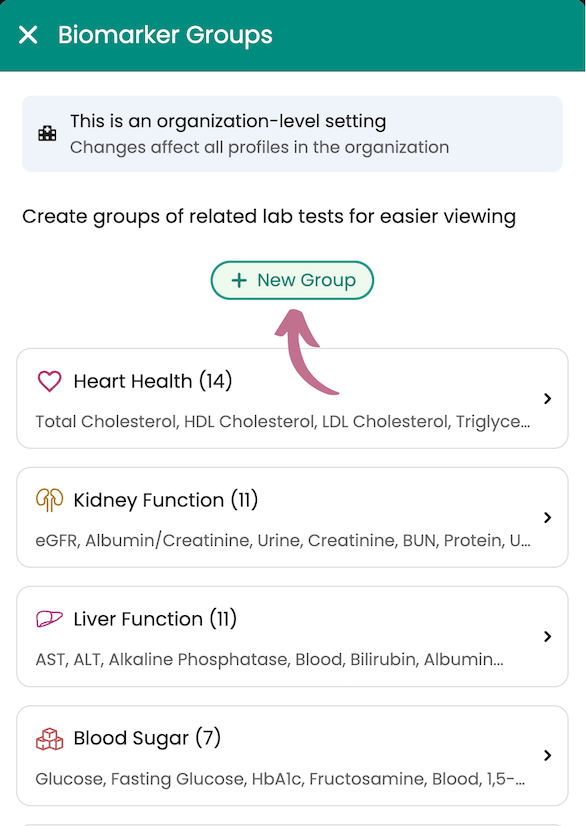
Biomarker groups, lab ranges, and descriptions are customizable at both the practice and patient level, allowing you to track what matters most for each individual. For example, you can keep a close eye on CRP levels in patients with autoimmune flare-ups, or tailor glucose thresholds for pre-diabetic and diabetic patients to reflect their specific health goals.

An AI Assistant for Patients and Providers
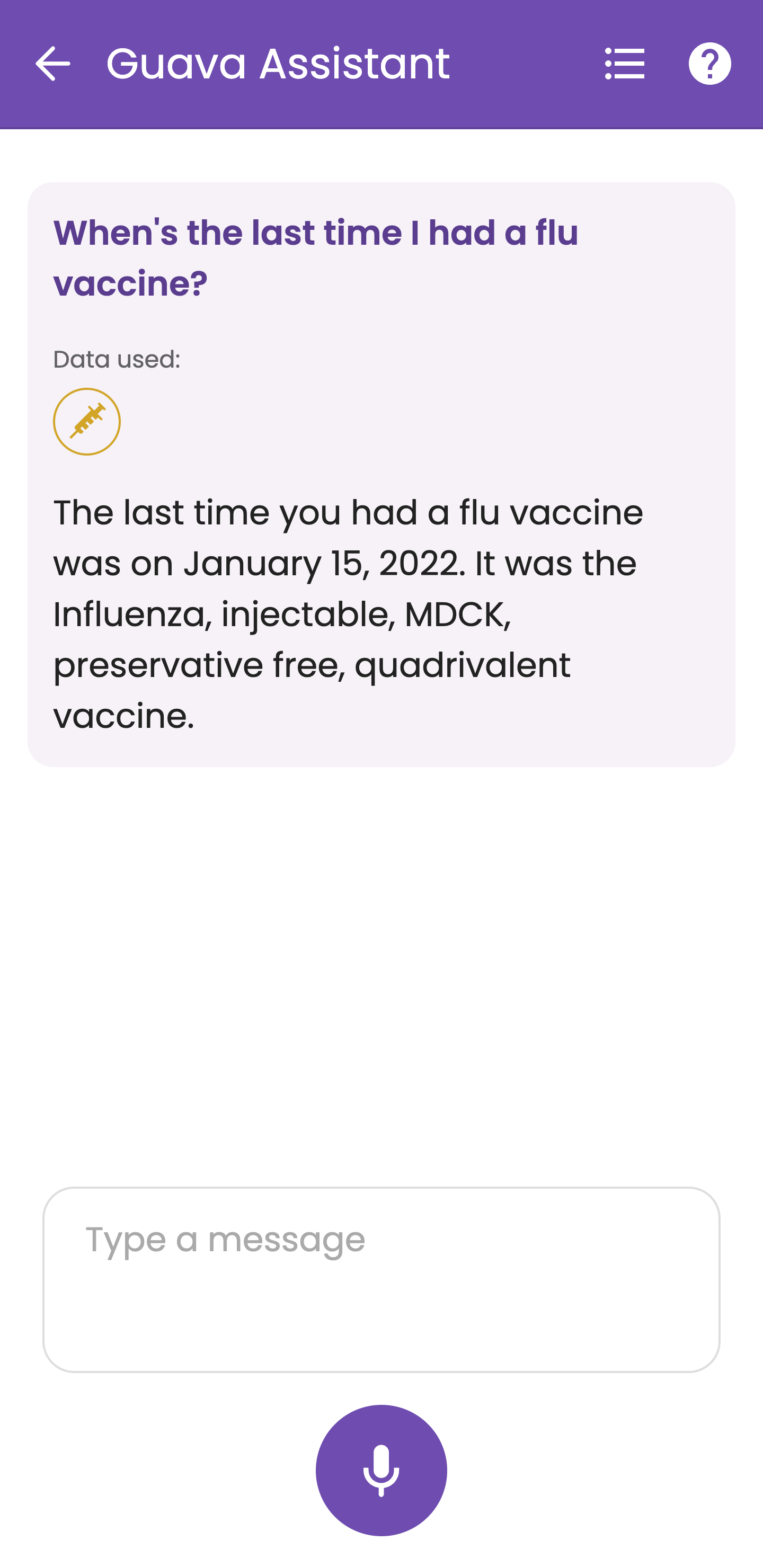
Guava’s AI assistant helps providers stay ahead by summarizing patient records, surfacing trends, and highlighting key changes over time. It pulls from synced data across labs, wearables, and daily logs to offer a complete, longitudinal view of each patient’s health. For Dr. Griffin, it’s part of a proactive care model that helps him stay attuned to his patients’ needs.
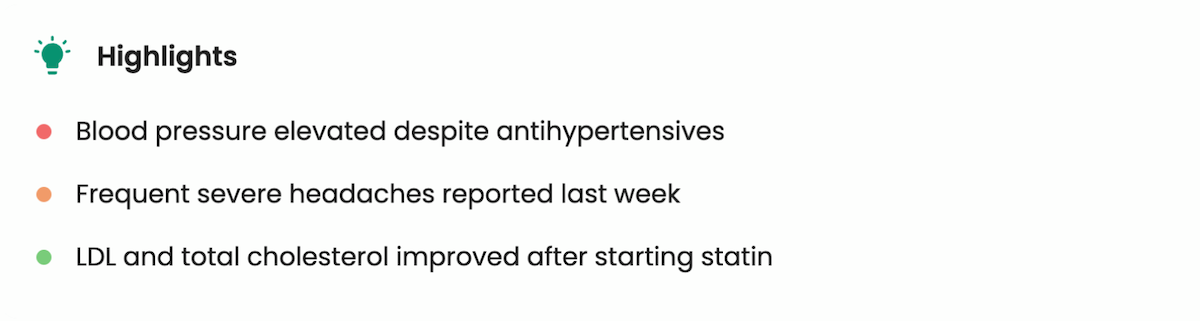
The assistant works with everything in the patient’s profile, including CCDA files, Withings data, and manually logged symptoms. It flags changes worth reviewing and supports providers to make timely, personalized decisions.
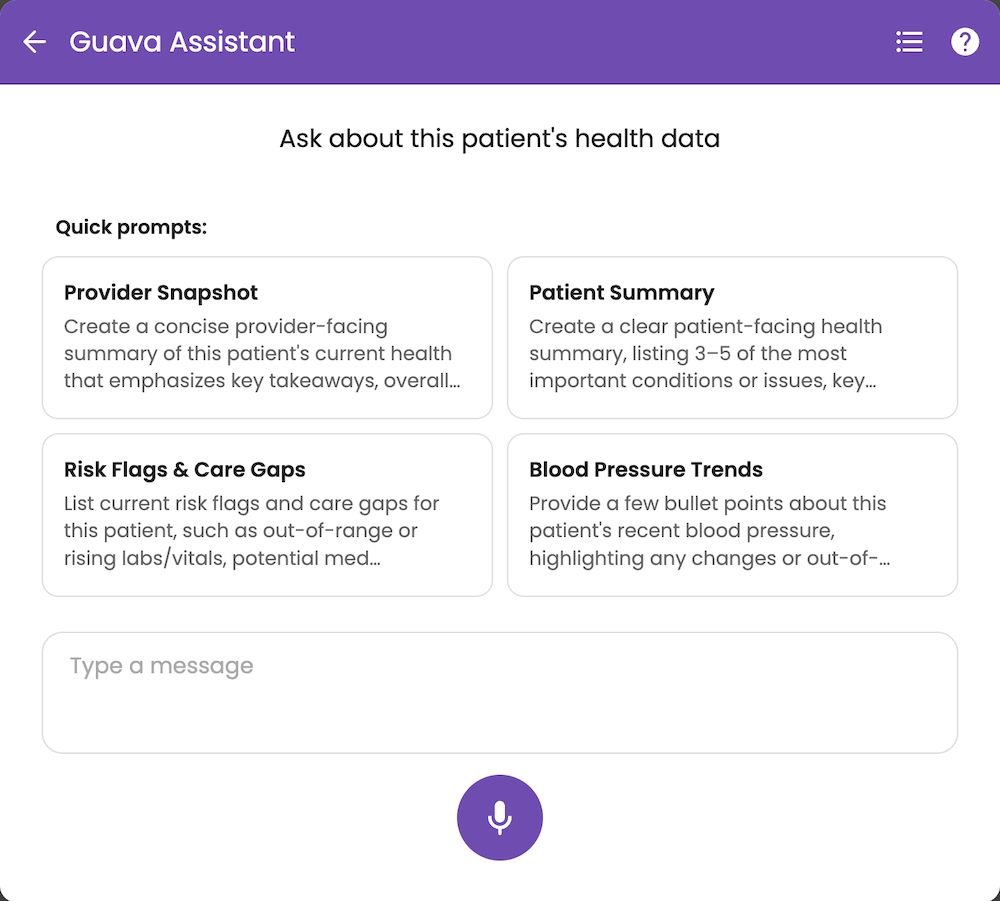
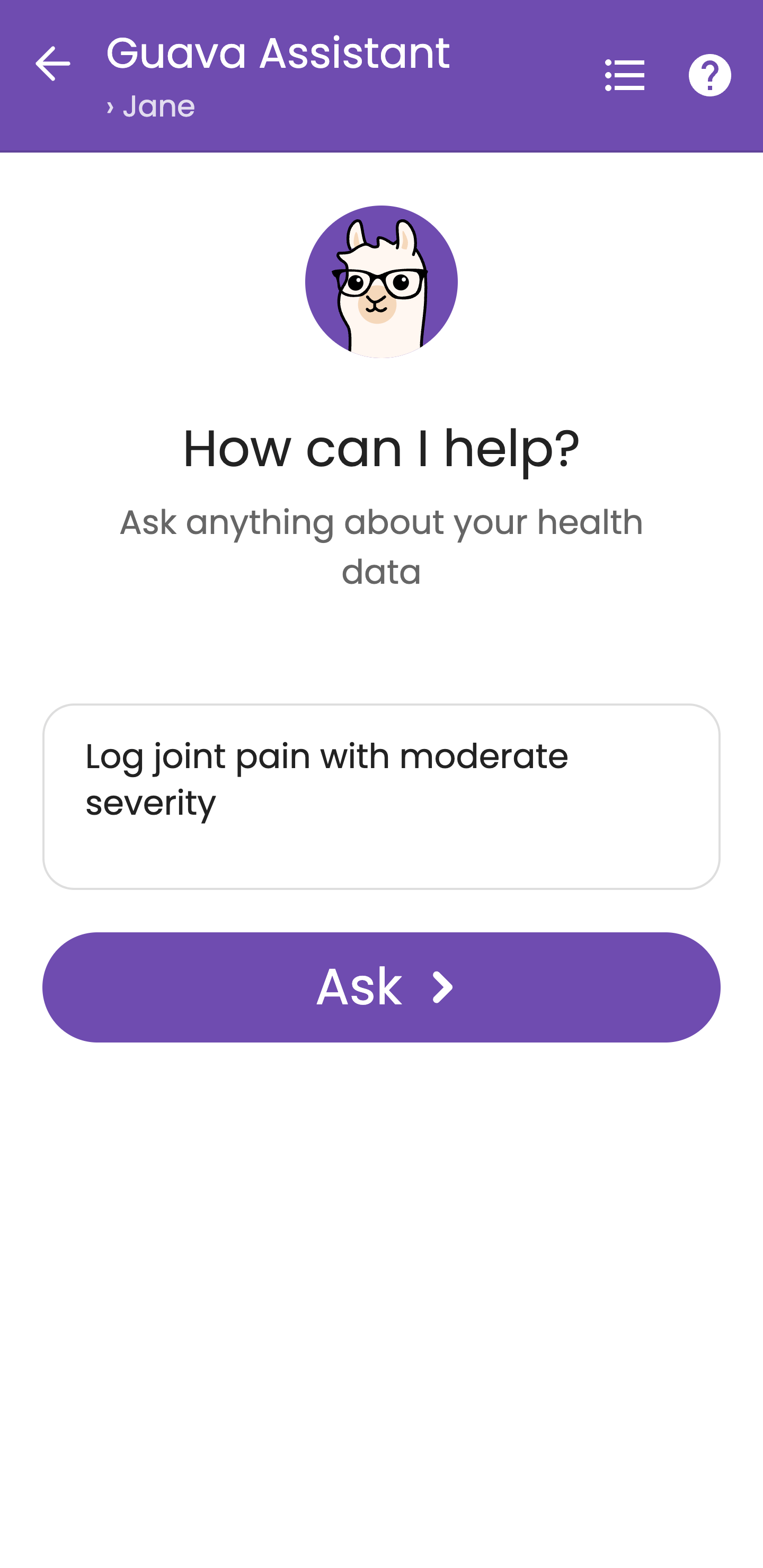
Patients can also use the assistant within the Guava app to log data, ask questions, and explore their health trends using natural language.
See Data-Backed Insights into Patient Health
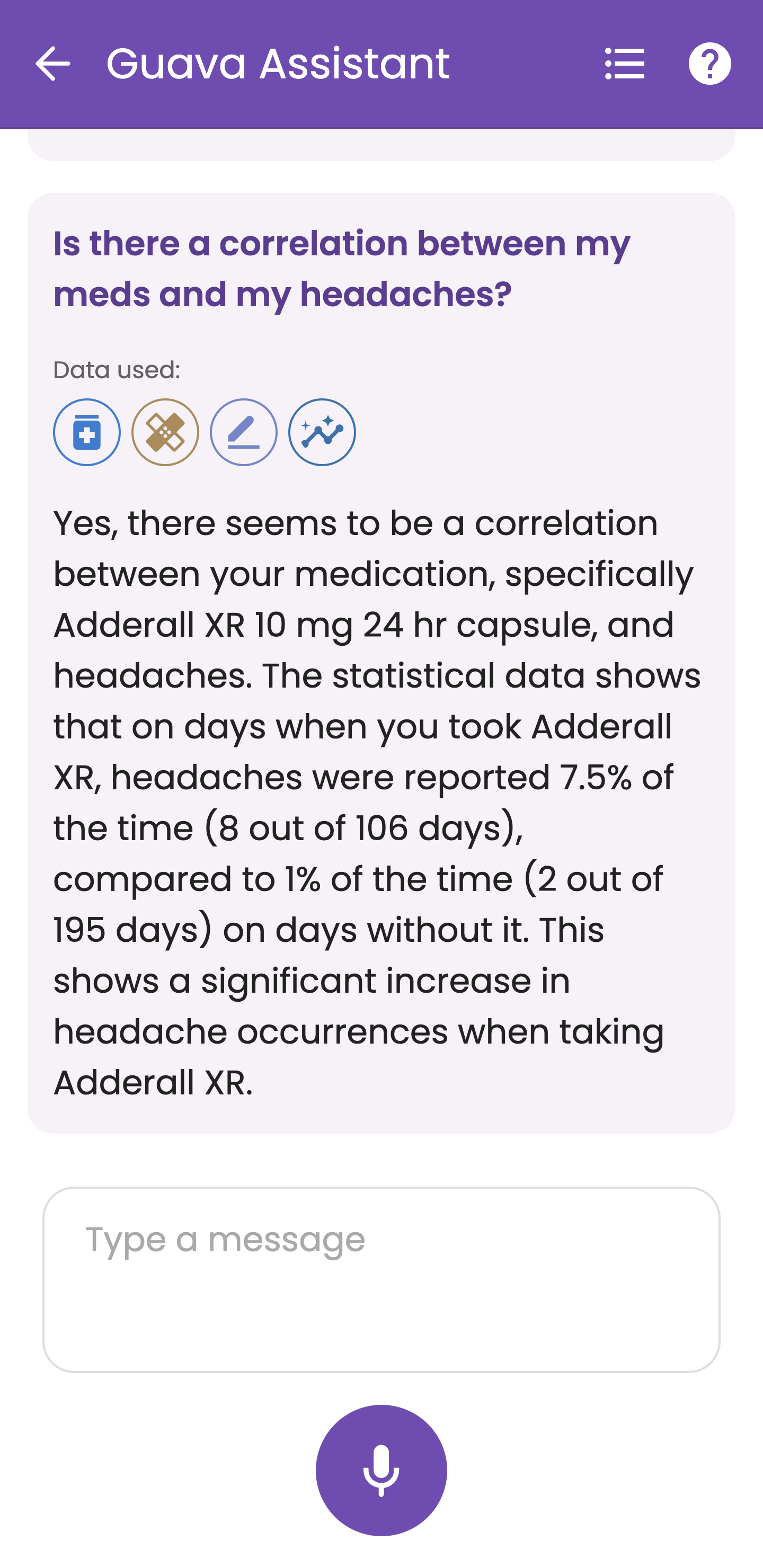
All of the health data that’s either logged or synced with Guava can be used to surface correlations relevant to your patient's health. In the Insights tab, you and your patients can explore relationships between various health factors.


A Dashboard Built for Personalized Care
Guava’s Provider Dashboard gives you clarity without the noise.
Designed for providers who prioritize patient engagement, it combines wearable data, labs, medical history, and daily health tracking into a single, intuitive view.
Guava isn’t meant to replace an EHR. Instead, it’s a tool that organizes scattered data, highlights key patient trends, and provides accurate medical histories to help guide care. Providers rely on it to identify patterns, uncover opportunities for intervention, and deliver more personalized, proactive care. The platform is designed not just for efficiency, but to support a more patient-centered model of care.
As Dr. Griffin puts it,
“I’ve always felt that patients need to be the ones in charge of their data and have a tool that can aggregate it for them in a way that’s elegant.”
Guava makes that kind of elegance and care possible by helping providers see the whole picture and stay in tune with patients between visits.
FAQs
Is Guava HIPAA compliant for remote monitoring?
Yes. Guava follows HIPAA, GDPR, and applicable federal and state laws to help keep you and your patients’ information secure. Read more about privacy and security here.
Can I use patient-owned devices?
Yes. Guava supports a bring-your-own-device model, so patients can connect devices they already use, reducing practice overhead and making remote monitoring easier to adopt.
What devices and data sources does Guava support?
Guava connects to over 100,000 data sources across wearables, continuous glucose monitors, connected scales, blood pressure cuffs, lab platforms, and hospital portals. The platform is device-agnostic, meaning it is not locked to a specific brand or ecosystem, and new integrations are added continuously.
Does this RPM dashboard integrate with existing EHRs?
Yes. Guava is designed to sit alongside your EHR as a clinical intelligence layer. It ingests data from over 100,000 sources, including Dexcom, Withings, and hospital portals, and can generate PDF summaries or CCDA files to upload back into your main record system.
How does Guava prevent alert fatigue for physicians?
Unlike standard RPM tools that notify you of every spike, Guava supports customizable thresholds, so you can focus on the changes that are most clinically relevant. For example, you can set specific ranges for blood pressure, glucose, or other metrics to help filter out noise and surface more actionable patient data.
Can patients see their own data in Guava?
Yes. Guava includes a patient-facing app that gives members visibility into their own health data, biomarkers, and trends. This supports active patient engagement between visits, which research associates with stronger adherence and better health outcomes. Providers can control what data is surfaced to patients and use the app as a communication channel for care plan updates and messaging.